7 November 2026 · Influencer Marketing · Creator Economy · Marketing Ethics
When Did True Crime Become an Influencer Business?
So… everyone having a good Saturday?
If you must know (and even if you don't), my Saturday plans have been sacrificed to the cold gods.
I was supposed to see my boyfriend. Instead, it's me, Vicks and YouTube.
Romance is alive and well… at least with Vicks.
So, Vicks in hand, I checked my YouTube recommendations.
Coco Crazy's deep dive into true-crime influencers.
OMG, I LOVE a good deep dive. Naturally, I clicked.
My immune system can take a day off. My marketing brain CAN'T.
Confession: I used to watch a LOT of true crime. Kendall Rae, Eleanor Neale, Bailey Sarian, JCS.
I thought criminal psychology might help me spot danger.
Instead, I saw danger EVERYWHERE. I fell asleep to cases and dreamed about them.
Excellent bedtime routine, Nicole. 10/10 would NOT recommend.
Turns out, I was experiencing Mean World Syndrome. Violent media can make the world feel scarier than it is.
Coco Crazy reminded me of critics of the industry.
Their criticism? How creators SELL these stories.
When did true crime become such an influencer BUSINESS?
Sponsors. Merch. Tours. Even a CrimeCruise with crime-themed Family Feud. Wtf?!
I work in influencer marketing. I get monetisation. But WHO approved these deals?
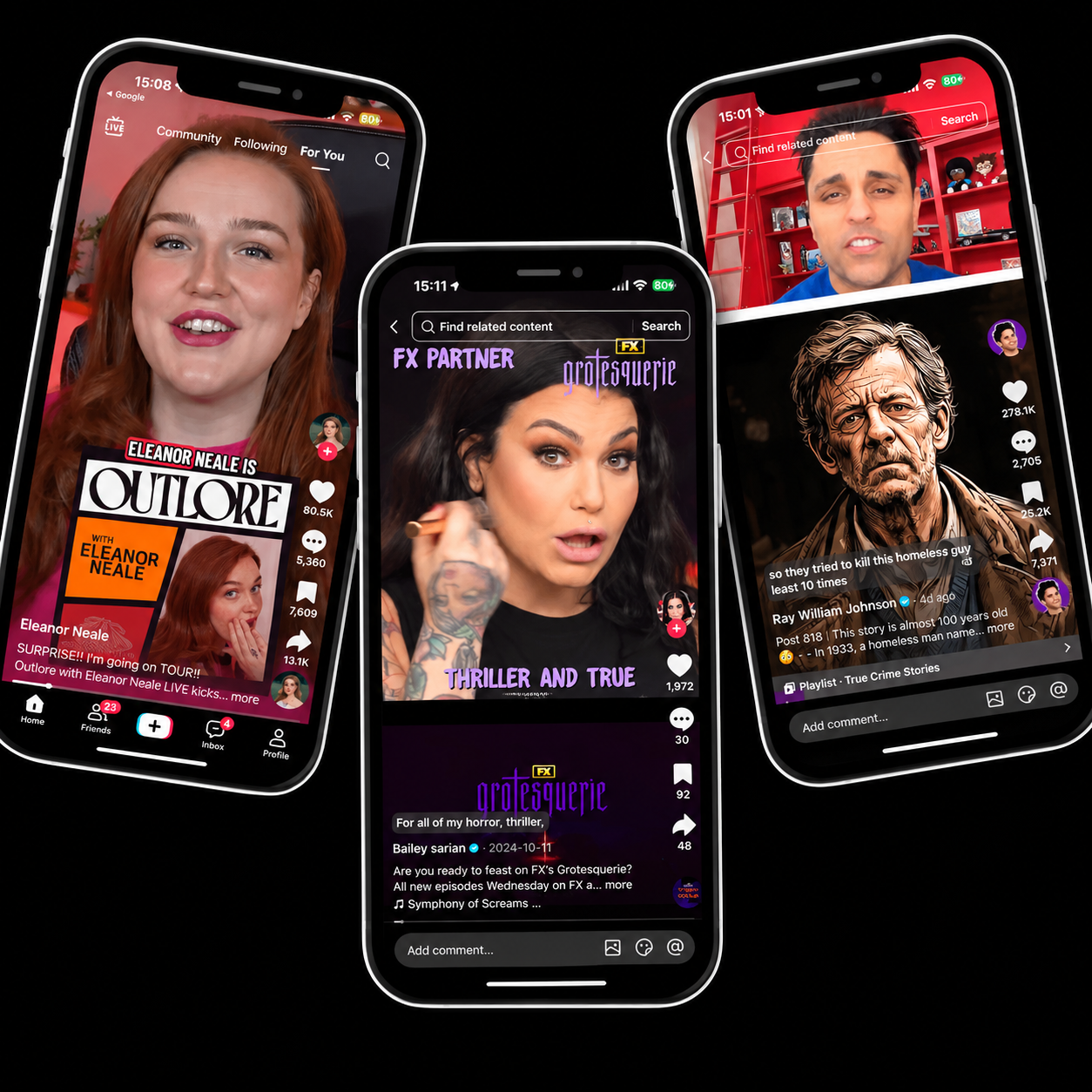
Coco Crazy highlighted Bailey Sarian talking about being scared at night after watching true crime, then promoting home-security sponsor SimpliSafe.
Create fear. Sell reassurance.
Except these stories involve REAL people.
Jacksfilms criticised Ray William Johnson's AI-generated victim images and a Leonardo.Ai ad after a story about a man's death by suicide. The ad was removed.
Kiki Chanel, Mika's Rhetoric and Rapman Miles criticised Eleanor Neale's true-crime tour, promoted with "fun moments and surprises."
FUN MOMENTS?! Are we discussing murders or attending the Eras Tour?
Eleanor has spoken about involving people connected to cases and charities. Some commentators questioned whether this came only after backlash.
The marketing makes me uncomfortable.
Because PACKAGING matters. A cheerful promo or badly placed ad can make tragedy feel like a fun night out.
And whose stories get told? A 2023 study found about 75% of homicide victims featured in three true-crime podcasts were women, versus about 20% of US homicide victims in 2020.
Different samples, big contrast.
True crime can do GOOD. America's Most Wanted covered Elizabeth Smart's kidnapping; wider coverage helped identify her abductors. Your Own Backyard helped advance Kristin Smart's case. Kendall Rae has supported victims' families.
THAT is storytelling with purpose.
I'm not against true crime or creators getting paid.
But marketers, check where your ads appear. Guide creators on sensitive topics. Not every tragedy needs a sales pitch.
When the creator becomes the attraction, where does that leave the victim?
Someone's worst day shouldn't become someone else's marketing opportunity.